
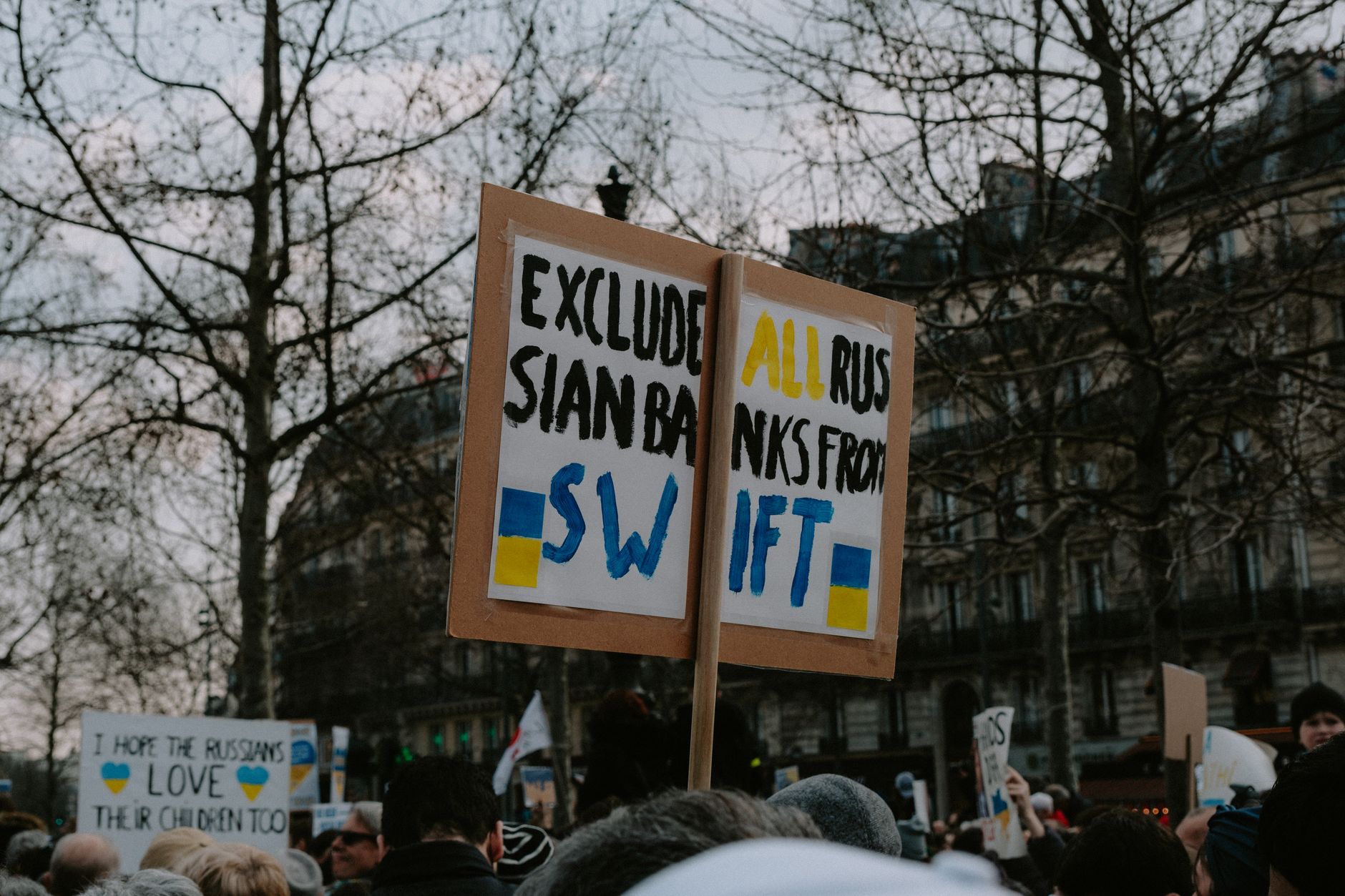
The Russia sanctions waiver is a significant topic as Rubio emphasizes India’s role as an important ally. Understanding this dynamic is crucial in today’s geopolitical landscape.
Understanding the Russia sanctions waiver
The recent discussions surrounding the Russia sanctions waiver have sparked debates regarding its implications for India. As global dynamics shift, the need for energy security is becoming increasingly paramount for nations, including India. Lawmakers, such as Senator Marco Rubio, have emphasized that India is an important ally, especially when it comes to energy diversification.
As India continues to navigate its energy portfolio, several factors come into play:
- Dependence on Russian Energy: A significant portion of India’s energy needs has been met through imports from Russia, making a rapid pivot challenging.
- Geopolitical Landscape: The ongoing tensions and conflicts in the region necessitate a careful balancing act for India.
- Global Partnerships: Strengthening ties with other countries could offer alternative energy sources but may take time to establish.
In this context, the Russia sanctions waiver raises crucial questions about the strategic choices India must make to ensure its energy security while maintaining international relations.
India’s role as an important ally
India’s role as a significant ally in the global landscape has been underscored by recent discussions surrounding the Russia sanctions waiver. As nations grapple with the implications of these sanctions, India finds itself in a unique position, balancing its historical ties with Russia while navigating the complexities of international relations.
The nation plays a crucial role in the energy sector, with a substantial portion of its energy imports sourced from Russia. This reliance complicates efforts to pivot away from Russian energy in the short term. Senator Marco Rubio emphasized that such a transition cannot occur overnight, highlighting the challenges faced by countries like India that have established longstanding partnerships.
Moreover, India’s strategic importance is evident in its ability to engage in dialogue with both Western nations and Russia. This duality allows India to act as a mediator, fostering communication and potentially easing tensions. As India considers the implications of the Russia sanctions waiver, its decisions will undoubtedly influence regional stability and energy security moving forward.
Challenges in energy portfolio adjustments
As India navigates the complexities of the Russia sanctions waiver, it faces significant challenges in adjusting its energy portfolio. The reliance on Russian energy supplies has been a critical aspect of India’s energy security strategy, but shifting away from this dependency is not a straightforward process.
Several factors complicate this transition:
- Infrastructure limitations: Developing alternative energy sources requires substantial investment in infrastructure, which India may not have the capacity to implement rapidly.
- Market volatility: The global energy market is unpredictable, and sudden shifts could lead to price spikes and supply shortages for India.
- Diplomatic relations: Maintaining strong ties with Russia while exploring new partnerships with other countries adds another layer of complexity to India’s foreign policy.
- Domestic demand: Rapidly increasing energy needs due to industrial growth and population expansion must be balanced with the transition to alternative sources.
These challenges highlight the need for a carefully considered approach to energy diversification, ensuring that India’s energy security remains intact during this pivotal period.
Geopolitical implications of sanctions
The recent discussion surrounding the Russia sanctions waiver has significant geopolitical implications for India and its relationships with both Western powers and Russia. As nations grapple with the consequences of these sanctions, India finds itself in a delicate position, balancing its strategic partnerships while addressing its energy needs.
One major concern is the perception of India’s foreign policy stance. By potentially accepting a sanctions waiver, India risks straining its ties with Western nations, particularly the United States. However, India’s dependency on Russian energy supplies complicates this scenario, making it imperative for the country to maintain a pragmatic approach.
Furthermore, regional stability in South Asia could be influenced by how India navigates this situation. A waiver may bolster India’s energy security, but it could also provoke reactions from neighboring countries and affect diplomatic relations. As India continues to assert itself as a global player, the outcomes of these decisions will shape its international standing for years to come.
Rubio’s perspective on international alliances
In recent comments, Senator Marco Rubio emphasized the significance of India as an important ally in the context of the Russia sanctions waiver. He argued that while nations may strive to adjust their energy portfolios, such transitions are neither quick nor easy. The geopolitical landscape necessitates a careful balancing act, particularly for countries like India that have longstanding ties with Russia.
Rubio’s perspective highlights the complexity of international alliances, where economic interdependence often complicates foreign policy decisions. He noted that abruptly severing energy ties with Russia could have dire ramifications for India’s energy security and economic stability.
This situation raises critical questions about the strategic choices facing India. As the country navigates the pressures of Western sanctions, it must also consider its own national interests and energy needs. The debate surrounding the Russia sanctions waiver is not merely about compliance but also about the broader implications for India’s diplomatic and economic relationships on the world stage.
Ultimately, Rubio’s insights challenge policymakers to think strategically about the long-term consequences of their decisions.
Photo by Mathias Reding on Pexels
References
You might also like
- Susan Collins Comments: What’s the Real Impact on Women?
- Are Night-Long Detentions the Wrong Approach? Proven Reasons
- Renault Duster Hybrid: Best Proven Mileage and Features Revealed
[…] Education Regulations: The Right Changes for Colleges Russia sanctions waiver: Is it the right move for India? Susan Collins Comments: What’s the Real Impact on Women? Are Night-Long Detentions the Wrong […]