
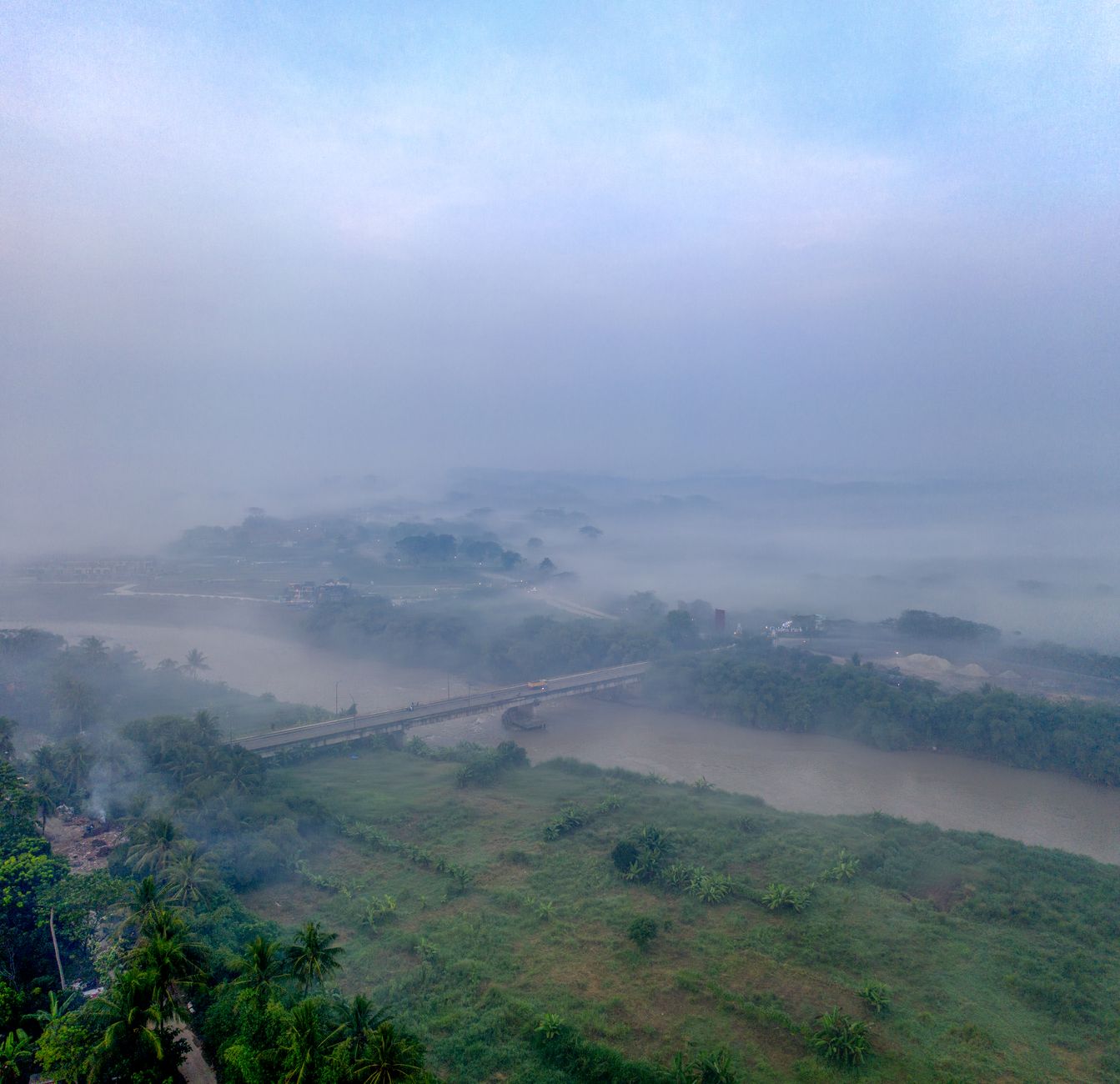
Indonesian haze air quality is a growing concern affecting both health and visibility in the region. Recent reports highlight the severity of the situation.
Understanding the Indonesian Haze
The Indonesian haze, primarily caused by extensive forest fires, continues to pose significant challenges to air quality across Southeast Asia. This environmental crisis typically peaks during the dry season, contributing to a worrying deterioration in the Indonesian haze air quality.
Numerous factors contribute to the onset of these fires, including:
- Land clearing for agriculture: Farmers often use fire to clear land, which can lead to uncontrolled blazes.
- Climate conditions: Dry weather and strong winds exacerbate the spread of fires.
- Lack of enforcement: In some areas, regulations against burning practices are poorly enforced.
The resultant haze not only affects visibility but also significantly impacts public health, with respiratory issues becoming increasingly prevalent among affected populations. Awareness and action are critical in addressing the Indonesian haze air quality crisis and its severe implications.
Current Air Quality in Singapore
As the Indonesian haze blankets parts of Southeast Asia, the air quality in Singapore has reportedly deteriorated to alarming levels. The Indonesian haze air quality has led to increased health advisories and concerns among residents.
According to the National Environment Agency (NEA), the air quality index (AQI) has fluctuated, often reaching unhealthy levels. This situation has prompted a series of health warnings, particularly for vulnerable groups, including children, the elderly, and those with pre-existing respiratory conditions.
The NEA has advised residents to take precautions, including:
- Staying indoors during peak pollution hours.
- Using air purifiers to improve indoor air quality.
- Wearing masks when going outside.
As the haze persists, many Singaporeans are left wondering how long these air quality challenges will continue to affect their daily lives.
Health Risks Associated with Poor Air Quality
The recent Indonesian haze has raised significant concerns regarding air quality and its detrimental effects on health. Exposure to poor air quality can lead to a variety of serious health issues, particularly among vulnerable populations such as children and the elderly.
Some of the major health risks associated with poor air quality include:
- Respiratory Diseases: Increased rates of asthma, bronchitis, and other chronic respiratory conditions.
- Cardiovascular Problems: Elevated risks of heart attacks and strokes due to fine particulate matter.
- Impaired Lung Function: Long-term exposure can result in diminished lung capacity and overall respiratory health.
- Mental Health Issues: Emerging studies suggest a link between poor air quality and increased anxiety and depression rates.
Given these health risks, the Indonesian haze air quality remains a critical public health concern that requires immediate attention and action.
Government Responses to the Haze Issue
The Indonesian government has intensified its efforts to combat the haze issue that has severely affected air quality across the region. In response to the worsening situation, officials have implemented several measures aimed at improving the Indonesian haze air quality. These initiatives include:
- Strict enforcement of regulations: Authorities are cracking down on illegal land burning practices that contribute to the haze.
- Promoting sustainable agriculture: The government is working with farmers to adopt eco-friendly cultivation methods that do not rely on burning.
- Public awareness campaigns: Initiatives are underway to educate citizens about the health risks associated with poor air quality and the importance of reporting illegal burning.
- Regional cooperation: Indonesia is collaborating with neighboring countries to address transboundary haze issues and share strategies for improved air quality.
These measures underscore the urgency of addressing the ongoing environmental crisis.
Public Awareness and Safety Measures
Public awareness regarding the Indonesian haze air quality is crucial for the protection of health and safety. Many residents are encouraged to stay indoors during peak haze periods, particularly those with pre-existing health conditions. Local authorities have been intensifying their efforts to educate the public on the dangers of exposure to poor air quality.
Effective safety measures include:
- Using N95 masks when going outside.
- Installing air purifiers in homes to improve indoor air quality.
- Staying hydrated and maintaining a nutritious diet to bolster the immune system.
Additionally, community programs are being established to monitor air quality and disseminate timely information. By fostering greater awareness, individuals can better navigate the challenges posed by haze, ultimately reducing the proven impacts on health.
Long-term Solutions for Air Quality Improvement
Addressing the issue of Indonesian haze air quality requires a comprehensive approach that incorporates long-term solutions. Experts recommend the following strategies:
- Reforestation Efforts: Planting trees in affected areas can help restore natural ecosystems and improve air quality.
- Sustainable Agriculture Practices: Encouraging farmers to adopt methods that reduce the need for burning can significantly decrease haze emissions.
- Community Engagement: Raising awareness among local populations about the environmental impacts of burning can foster better practices.
- Regional Collaboration: Countries in Southeast Asia must work together to develop policies that mitigate air pollution and share resources.
- Monitoring and Enforcement: Strengthening regulations on land use and ensuring compliance can prevent illegal burning activities.
Implementing these solutions will be crucial for improving Indonesian haze air quality and safeguarding public health.
International Cooperation on Environmental Issues
International cooperation has become crucial in addressing the issue of Indonesian haze air quality, which not only affects Indonesia but also neighboring countries. Collaborative efforts are needed to tackle the underlying causes of the haze, such as forest fires and land clearing for agriculture.
Various nations have begun to engage in dialogues and partnerships aimed at mitigating air pollution. Key actions include:
- Sharing technology: Developing countries can benefit from advanced monitoring systems to detect and manage fires.
- Joint initiatives: Countries can participate in regional agreements that enforce stricter regulations on land use.
- Financial support: Wealthier nations can provide funding for sustainable agricultural practices that reduce the reliance on burning.
Through these efforts, countries hope to improve Indonesian haze air quality and protect the health of millions affected by this environmental crisis.
Future Predictions for Haze Events
As climate change continues to exacerbate weather patterns, future predictions for haze events in Indonesia indicate a troubling trend for air quality. Experts anticipate that the frequency and intensity of these haze incidents will increase, potentially leading to more severe health impacts for affected populations.
According to recent studies, the Indonesian haze air quality is expected to deteriorate further, especially during the dry season when fires from land clearing become rampant. This poses a significant risk not only to local communities but also to neighboring countries, including Singapore and Malaysia, where air quality may be adversely affected.
Furthermore, researchers are warning that increased haze could lead to rising healthcare costs due to respiratory and cardiovascular diseases. As the region braces for these impending challenges, it is crucial for governments and organizations to enhance their collaboration in addressing the underlying causes of haze and improving air quality standards.
Photo by Tom Fisk on Pexels
Read the original
- Mistakes to Avoid After 40 for a Healthier Heart: Proven Tips
- Trump Medicare payment: Smart policies for enrollees
- Trump White House media ban: Clear implications for press freedom
[…] internet blackout: Is it the worst disruption in Delhi? Indonesian haze air quality: Worst Proven Impact on Health Mistakes to Avoid After 40 for a Healthier Heart: Proven Tips Trump Medicare payment: Smart […]