
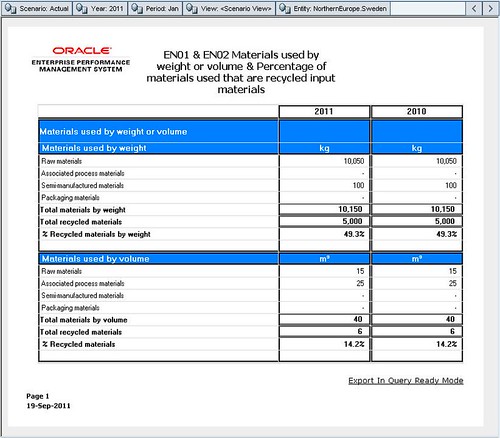
The Sustainability Management Report outlines Gyeonggi’s commitment to sustainable tourism practices, showcasing their innovative strategies for eco-friendly development.
Introduction to the Sustainability Management Report
The Gyeonggi Tourism Organization has recently published its Sustainability Management Report, highlighting its ongoing commitment to sustainable tourism practices in the region. This report serves as a comprehensive overview of the strategies and initiatives implemented to promote environmental stewardship and social responsibility.
As travel and tourism continue to evolve, the need for sustainable practices has become increasingly important. The Sustainability Management Report outlines how Gyeonggi is leveraging its resources to create a positive impact. Key areas of focus include:
- Environmental Protection: Implementing measures to reduce carbon footprints and conserve natural resources.
- Community Engagement: Involving local communities in tourism planning and development to ensure their voices are heard.
- Economic Viability: Promoting sustainable business practices that benefit local economies without compromising future growth.
By documenting these efforts, the Gyeonggi Tourism Organization aims to set an example for other regions, demonstrating that sustainable tourism is not only achievable but also beneficial for all stakeholders involved.
Key Findings of the Report
The recently published Sustainability Management Report by the Gyeonggi Tourism Organization has revealed several key findings that highlight the region’s commitment to sustainable tourism practices. This report serves as a comprehensive overview of the strategies employed to enhance eco-friendly tourism while fostering community engagement.
Among the significant findings, the report outlines the following:
- Reduction in Carbon Footprint: Gyeonggi has successfully implemented measures that led to a 20% reduction in greenhouse gas emissions associated with tourism activities.
- Community Involvement: Over 75% of local businesses participated in sustainability initiatives, showcasing a strong community commitment to environmental stewardship.
- Waste Management Improvements: The region has achieved a 30% increase in recycling rates, significantly reducing landfill contributions from tourism-related waste.
- Water Conservation Efforts: Innovative water management practices have resulted in a 15% decrease in water usage within the tourism sector.
These findings underscore Gyeonggi’s effective approach to sustainability management, setting a benchmark for other regions to follow.
Gyeonggi’s Approach to Sustainable Tourism
Gyeonggi Province has adopted a comprehensive approach to sustainable tourism, as detailed in the latest Sustainability Management Report. The report highlights several key strategies that have been implemented to promote responsible tourism practices within the region.
The following initiatives are central to Gyeonggi’s sustainable tourism efforts:
- Community Engagement: Involving local communities in tourism planning ensures that their needs and perspectives are integrated into decision-making processes.
- Environmental Conservation: Gyeonggi has committed to preserving natural habitats and promoting eco-friendly tourism activities that minimize environmental impact.
- Cultural Heritage Preservation: The province emphasizes the importance of maintaining cultural sites and traditions, allowing visitors to experience authentic local culture.
- Education and Awareness: Programs aimed at educating tourists and stakeholders about sustainable practices are key to fostering a culture of sustainability.
Through these initiatives, Gyeonggi Province not only enhances the visitor experience but also sets a precedent for sustainable tourism management. The Sustainability Management Report serves as a valuable resource for other regions looking to emulate Gyeonggi’s proven approach.
Future Goals for Eco-Friendly Practices
As Gyeonggi Province continues to build on its commitment to sustainability, several future goals have been outlined in the Sustainability Management Report. These goals reflect a proactive approach to fostering eco-friendly practices across various sectors, particularly in tourism.
Among the primary objectives are:
- Reduction of Carbon Footprint: Gyeonggi aims to implement strategies that significantly reduce greenhouse gas emissions from tourist activities and local businesses.
- Enhancing Biodiversity: The province plans to promote conservation efforts that protect local flora and fauna, integrating these initiatives into tourism experiences.
- Sustainable Resource Management: A focus on responsible usage of water and energy resources will be prioritized to ensure long-term sustainability.
- Community Engagement: Gyeonggi seeks to involve local communities in sustainability initiatives, fostering a culture of environmental stewardship.
By setting these ambitious targets, Gyeonggi not only aims to improve its ecological footprint but also to serve as a model for other regions looking to enhance their sustainability management. This forward-thinking approach is a testament to the province’s dedication to eco-friendly practices.
Impact on Local Communities
The Sustainability Management Report highlights the significant impact of Gyeonggi’s sustainable practices on local communities. By prioritizing eco-friendly initiatives, Gyeonggi has fostered a sense of community engagement and economic growth.
Local stakeholders, including small businesses and residents, have reported positive changes as a result of the region’s commitment to sustainability. Key benefits include:
- Job Creation: Sustainable tourism initiatives have led to new employment opportunities in the area.
- Community Involvement: Residents are increasingly participating in conservation efforts, enhancing local pride and stewardship.
- Economic Development: Eco-friendly tourism has attracted visitors, boosting local businesses and services.
- Environmental Awareness: Educational programs have raised awareness about sustainability, encouraging responsible practices among locals.
Gyeonggi’s approach demonstrates that sustainable management is not only beneficial for the environment but also vital for the social and economic well-being of local communities. The findings in the Sustainability Management Report serve as a model for other regions seeking to implement similar strategies.
Conclusion and Next Steps
In conclusion, the Sustainability Management Report for Gyeonggi serves as a testament to the region’s commitment to sustainable tourism and community development. The insights gained from this report not only highlight key achievements but also underscore the importance of ongoing efforts in eco-friendly practices. Gyeonggi’s approach serves as a model for other regions looking to balance tourism with sustainability.
Looking ahead, several next steps have been identified to enhance the impact of the report’s findings:
- Continued Engagement: Strengthening partnerships with local stakeholders to promote sustainable tourism initiatives.
- Monitoring Progress: Establishing metrics to assess the effectiveness of the implemented strategies over time.
- Community Education: Launching educational programs aimed at raising awareness about sustainable practices among residents and visitors alike.
- Feedback Mechanisms: Creating channels for community feedback to ensure that the initiatives align with local needs and expectations.
By addressing these next steps, Gyeonggi can continue to lead in sustainable tourism, fostering a vibrant economy while protecting its natural and cultural resources.
By Oracle PR via Openverse
References
Related stories
- Giant Pandas Atlanta: Exciting Arrival Under US-China Agreement
- X-ray flares pulsar: A Clear Explanation of BP Crucis
- Mammootty tilak controversy: The Real Story Behind It
[…] child deaths report: What is the honest truth? Sustainability Management Report: Gyeonggi’s Proven Approach Giant Pandas Atlanta: Exciting Arrival Under US-China Agreement X-ray flares pulsar: A Clear […]