
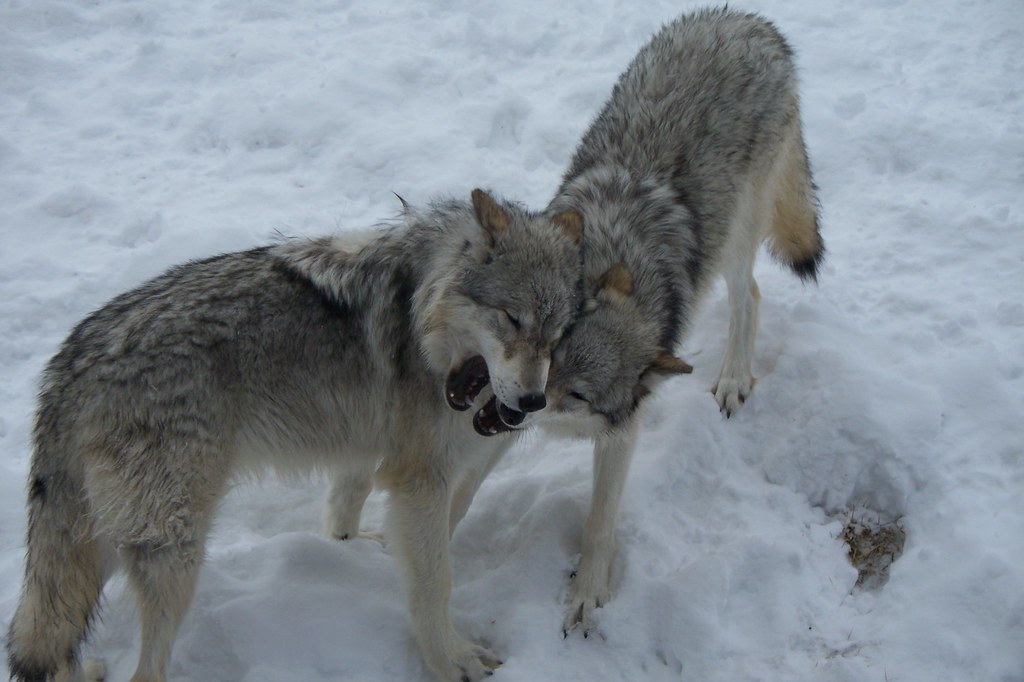
Dogs fight bears is a phrase that may surprise many. Contrary to popular belief, the reasons behind this behavior are complex and often misunderstood.
Understanding Dog Behavior
Understanding the behavior of dogs, particularly in extreme situations like dogs fight bears, requires a closer look at their instincts and social dynamics. Dogs are pack animals by nature, and their actions are often influenced by their protective instincts, especially when it comes to their human companions.
When faced with a bear, a dog may not fully comprehend the danger. Instead, they often react out of a sense of duty to defend their territory or family. This instinctual response can be attributed to several factors:
- Protective Instincts: Many breeds have been developed for guarding and herding, making them more likely to confront potential threats.
- Social Behavior: Dogs may perceive themselves as part of a pack, leading them to defend their group against intruders.
- Curiosity: Dogs are naturally curious creatures, and their instinct to explore can sometimes put them in harm’s way.
Understanding these factors is essential for preventing dangerous encounters and ensuring the safety of both dogs and wildlife.
The Myths About Dogs and Bears
Many myths surround the interactions between dogs and bears, leading to misconceptions about their behaviors. One common belief is that dogs fight bears due to an instinctual need to protect their territory. However, this oversimplification overlooks the complexities of animal behavior.
Another myth suggests that all dogs possess the innate ability to confront larger predators like bears. In reality, only certain breeds, particularly those with strong protective instincts, may engage in such confrontations. These breeds often include:
- German Shepherds
- Karelian Bear Dogs
- Alaskan Malamutes
Additionally, many people assume that a dog’s size directly correlates with its willingness to fight bears. While larger dogs may appear more formidable, their behavior is influenced by training and socialization rather than size alone. Understanding these myths is crucial for dog owners, especially in areas where encounters with bears may occur.
Ultimately, dogs fight bears not merely due to instinct but as a complex interplay of behavior, training, and situational factors.
Why Dogs Engage with Bears
While it may seem unusual, there are several reasons why dogs engage with bears. One of the primary motivations is their instinctual drive to protect their territory and their family. When a bear encroaches on their space, dogs often perceive it as a threat, prompting them to defend their home. This protective behavior can arise from their deep-seated instincts, which have been honed over generations.
Additionally, the interaction can stem from curiosity. Dogs are naturally inquisitive creatures, and the presence of a bear may pique their interest, leading them to approach rather than retreat. In some cases, the dynamic between dogs and bears can also be attributed to a lack of proper training or socialization, resulting in reckless behavior.
It is important to note, however, that dogs fight bears not solely out of aggression but rather due to a complex mix of instinct and environment. Understanding these underlying factors can help in managing such encounters more effectively.
The Role of Instincts in Animal Behavior
Instincts play a crucial role in shaping the behavior of dogs, particularly when they encounter larger predators like bears. Understanding these instincts is essential to grasping why dogs fight bears. Dogs are descendants of wolves, and their natural instincts often compel them to protect their territory and family.
When a dog perceives a bear as a threat, it may instinctively react with aggression. This behavior can be traced back to their survival instincts, as dogs have evolved to defend their pack from dangers. Additionally, certain breeds, such as herding or working dogs, are more predisposed to confrontational behaviors due to their breeding for protective roles.
However, it’s important to note that not all dogs will engage with bears. Various factors, including the dog’s temperament, training, and previous experiences, influence whether they will exhibit this instinctual behavior. Understanding these nuances helps clarify the complex dynamics between dogs and bears.
Real-Life Encounters: Dogs and Bears
Real-life encounters between dogs and bears can be both fascinating and alarming. In various regions, particularly where wildlife and human habitats overlap, incidents have been reported where dogs fight bears to defend their territory or their owners. These confrontations often reveal the complex dynamics of animal behavior.
Many dog breeds, such as livestock guardian dogs, are instinctively protective and may see a bear as a threat to their charges. When faced with a bear, these dogs often rely on their instincts, displaying behaviors such as:
- Growling and barking to deter the bear
- Charging at the bear to protect their territory
- Working in packs to increase their chances of success
While some may assume that dogs fight bears out of sheer aggression, experts suggest that this behavior is more about instinctual protection rather than a desire for confrontation.
Safety Tips for Dog Owners
As a dog owner, it’s crucial to prioritize your pet’s safety, especially in areas where they might encounter wildlife. Here are some essential safety tips to keep in mind:
- Supervise Outdoor Activities: Always keep an eye on your dog during walks or outdoor playtime, especially in bear-prone areas.
- Use Leashes: Keep your dog on a leash to prevent them from wandering off and engaging with bears or other wildlife.
- Train Recall Commands: Ensure your dog responds well to commands, so you can call them back if they spot a bear.
- Avoid Attracting Wildlife: Properly store food and dispose of trash to minimize attracting bears to your vicinity.
- Be Aware of Your Surroundings: Stay alert while hiking or exploring, and be mindful of signs of bear activity.
Knowing how to manage your dog’s instinctual behavior can help prevent dangerous encounters, as dogs fight bears out of instinct and protection.
What Experts Say About This Phenomenon
Experts weigh in on the surprising behavior of dogs that engage with bears, emphasizing that this phenomenon is not solely driven by instinct. According to Dr. Emily Carter, a wildlife behaviorist, “Dogs fight bears primarily due to their protective instincts, often viewing the bear as a threat to their territory or family.”
Additionally, Dr. James Liu, an animal psychologist, notes that “the social dynamics between dogs and their owners play a significant role. Dogs may feel compelled to defend their humans, leading to encounters that appear more aggressive than they truly are.”
Moreover, it’s crucial to understand the context in which these interactions occur. Many dogs, especially those bred for herding or guarding, are more likely to confront a bear if they perceive it as an intruder.
Experts also caution that while dogs fight bears out of instinctual behavior, the outcomes can be dangerous for both the dog and the bear. Proper training and awareness are essential for dog owners to mitigate such risks.
By sociotard via Openverse
Read the original
You might also like
- Sarpatta Parambarai Round 2: The Best Proven Announcement
- Kerala lottery results: Quick winning numbers revealed today
- Sachin Tendulkar OpenAI: Is This the Best Partnership Ever?
[…] Peace Prize: Is It the Best Choice for 2023? Dogs fight bears: The Real Reason Behind This Behavior Sarpatta Parambarai Round 2: The Best Proven Announcement Kerala lottery results: Quick winning […]