
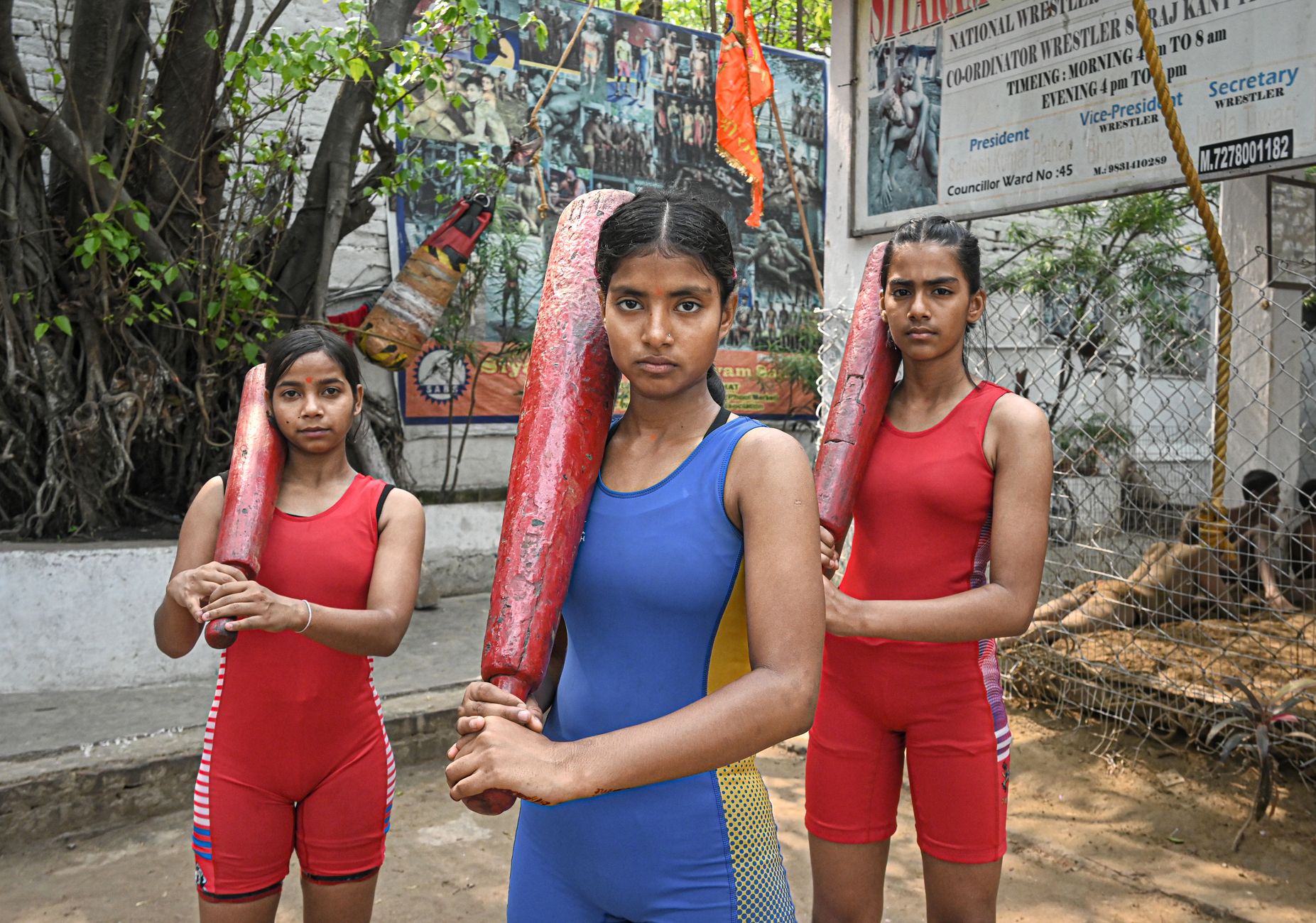
The Asian Games selection controversy has left many questioning the decision-making process. Rashid Khan expressed his disappointment in not being selected for the event.
Understanding the Selection Process
The selection process for the Asian Games has come under scrutiny following a series of controversial decisions that have left athletes feeling sidelined. Many believe that the criteria used to choose representatives lack transparency and fairness.
Rashid Khan, a prominent athlete, expressed his frustration, stating, “Wanted to win a medal at Asian Games, but I was denied selection.” His comments highlight the disappointment felt by many athletes who have dedicated years to their sport.
The selection committee, tasked with identifying the best talent, has faced criticism for:
- Inconsistent evaluation methods
- Influence of personal biases
- Lack of clear communication regarding selection criteria
This Asian Games selection controversy raises questions about the integrity of the process and the future of aspiring athletes.
Rashid Khan’s Reaction to the Decision
Rashid Khan, the renowned cricketer, expressed his disappointment regarding the recent Asian Games selection controversy. In an interview with NDTV, he stated, “I wanted to win a medal at the Asian Games, but I was denied selection.” Khan’s aspirations were high as he aimed to represent his country on such a significant platform. He emphasized the hard work and dedication he had invested in his training, believing that he deserved a chance to compete.
The cricketer also highlighted the emotional impact of the decision, stating that it felt like a setback not just for him, but for the entire sports community that looked forward to the games. As discussions continue around the selection process, many are left questioning the criteria that led to such controversies in athlete representation.
Implications for Future Selections
The recent Asian Games selection controversy has raised significant concerns regarding the transparency and fairness of the athlete selection process. As stakeholders in the sporting community voice their frustrations, the implications for future selections are becoming increasingly apparent.
Firstly, there is a growing demand for a more transparent criteria that can be easily understood by athletes and coaches alike. Additionally, the need for an independent review committee is being emphasized to ensure that selections are made based on merit rather than subjective opinions.
Moreover, the controversy has sparked discussions about the potential impact on athlete morale, with many fearing a decline in motivation if they feel the selection process is unjust. Addressing these issues is crucial for restoring faith in the system and ensuring that talented athletes have a fair chance to represent their country in future international competitions.
Public Opinion on the Controversy
The recent Asian Games selection controversy has sparked widespread debate among fans and experts alike. Many individuals have taken to social media to express their frustration over the perceived lack of transparency in the selection process.
Public sentiment is largely divided, with numerous supporters rallying behind Rashid Khan, who passionately stated, “Wanted to win a medal at the Asian Games, denied selection.” This statement resonated with many athletes and enthusiasts who share similar aspirations.
Critics argue that the selection committee must prioritize merit over personal connections, ensuring that deserving athletes receive opportunities to compete on such prestigious platforms. Others emphasize the importance of a clear and fair selection process to maintain the integrity of the sport.
As discussions continue, it remains to be seen how this controversy will influence future selections and athlete morale.
Comparing Selection Criteria Across Sports
The recent Asian Games selection controversy has highlighted significant discrepancies in the criteria used to select athletes across various sports. While some sports prioritize past performance and rankings, others seem to rely heavily on subjective evaluations by coaches and selectors.
Key differences include:
- Athletics: Selection is often based on qualifying times and previous medal performances.
- Team Sports: A focus on team dynamics and recent tournament outcomes can overshadow individual achievements.
- Combat Sports: Selection may favor athletes who excel in trials, sometimes disregarding established records.
This inconsistency raises questions about fairness in the selection process and the potential impact on athletes’ morale, as seen in Rashid Khan’s recent comments on being denied a chance to compete. The Asian Games selection controversy underscores the need for a transparent and uniform criteria across all sports.
What This Means for Rashid Khan’s Career
The recent Asian Games selection controversy has cast a shadow over Rashid Khan’s career, raising questions about his future in competitive sports. As a player with a proven track record, Rashid’s exclusion from the squad has left both fans and analysts puzzled. Many believe that this decision could hinder his opportunities for international exposure and growth as an athlete.
Rashid’s desire to contribute to his country’s success at the Asian Games has been evident, and the disappointment from this setback may impact his morale and performance in upcoming tournaments. The incident also highlights the need for a more transparent selection process that considers the talents and aspirations of athletes like Rashid.
- Potential loss of international opportunities
- Impact on mental health and motivation
- Need for clearer selection criteria
Photo by Sayantan Dhar on Pexels
Where this came from
Outdoor Entertainment Display: Best Proven Innovations at IFA 2026 · Bangladeshis stuck in UAE: Worst visa cancellation crisis · Horoscope Today: Best Insights for September 16, 2026
[…] Leaders Protect Humanity: King Charles’ Urgent Call Asian Games selection controversy: What Went Wrong? Outdoor Entertainment Display: Best Proven Innovations at IFA 2026 Bangladeshis stuck in UAE: […]