
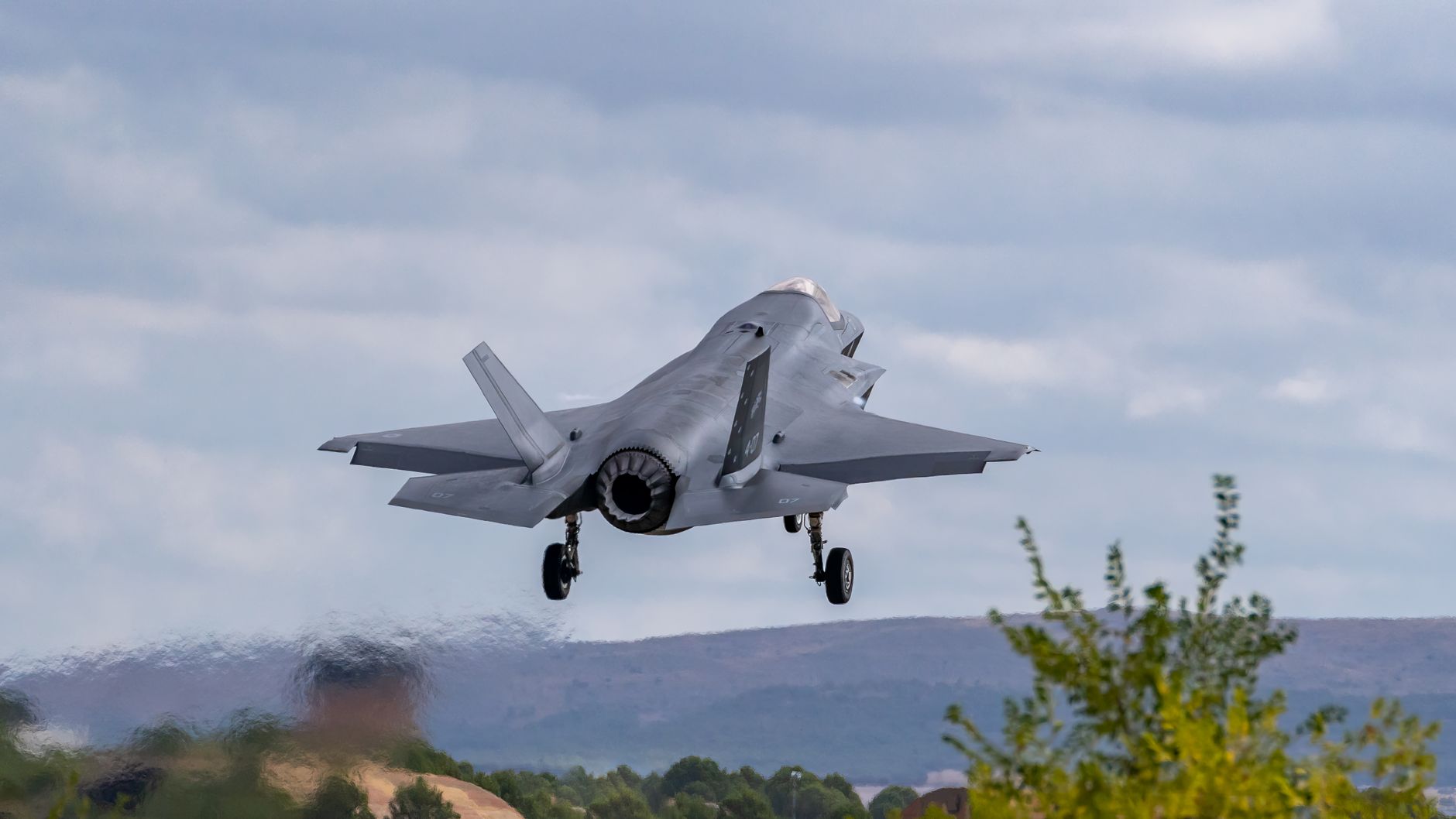
F-35 jet parts have been diverted to Hong Kong, now in the possession of China. This unexpected turn of events raises significant security concerns.
Background on F-35 jet parts
The F-35 jet parts have become the center of a significant controversy following a recent diversion to Hong Kong. Originally intended for the United States, these advanced components were redirected, raising concerns regarding national security and international relations. The F-35 stealth jet, known for its cutting-edge technology, relies on a complex supply chain that includes numerous suppliers across the globe.
This incident has highlighted the vulnerabilities within the logistics of defense materials. The specific parts involved in this diversion are critical to the jet’s operational capabilities, making their unauthorized transfer particularly alarming. Experts assert that such diversions could potentially enable adversarial nations to gain insights into the F-35’s advanced systems.
Furthermore, the implications of this diversion extend beyond just the loss of physical parts. It raises questions about the effectiveness of current tracking and security measures in place for military equipment. The U.S. government is currently investigating how these parts ended up in Hong Kong and the potential impact on U.S. defense strategies.
- Supply chain vulnerabilities
- National security concerns
- Impacts on defense strategies
This situation serves as a wake-up call for policymakers to reassess the security protocols surrounding sensitive military equipment like F-35 jet parts.
Implications of the diversion
The recent diversion of F-35 jet parts to Hong Kong has raised significant concerns regarding national security and international relations. This incident highlights the vulnerabilities in the supply chain for advanced military technology and the potential for sensitive components to fall into the wrong hands.
One of the primary implications of this diversion is the risk of espionage. The F-35, known for its stealth capabilities and cutting-edge technology, relies on various components that are vital for its performance. The possibility of these F-35 jet parts being accessed by adversarial nations, particularly China, poses a direct threat to the integrity of military operations.
Additionally, the incident may strain diplomatic relations between the United States and China. As tensions escalate, both nations may increase scrutiny over military transactions, leading to potential trade restrictions or sanctions. The fallout could extend beyond military implications, affecting broader economic ties.
Furthermore, there is a pressing need for the U.S. Department of Defense to reassess its logistics and supply chain management to prevent future diversions. Enhanced security measures, including stricter regulations on the export of sensitive technology, may be necessary to safeguard national interests.
Expert opinions on security risks
Experts have raised significant concerns over the recent diversion of F-35 jet parts to Hong Kong, warning about the potential security risks involved. Dr. Emily Tran, a defense analyst, stated that the incident highlights vulnerabilities in the supply chain of advanced military technology. “The F-35 program relies on a complex network of suppliers, and any breach can compromise national security,” she emphasized.
Furthermore, General Robert Mason, a retired military officer, pointed out that the diversion of such sensitive components could enable adversaries to reverse-engineer critical technologies. “If these parts fall into the wrong hands, it could undermine the stealth capabilities of the F-35, putting our forces at risk,” he noted.
Additionally, cybersecurity expert Lisa Chen highlighted the risks associated with potential espionage. “The F-35 jet parts could be exploited to develop countermeasures against U.S. military assets,” she warned. The implications of this diversion extend beyond immediate security concerns, affecting international relations and defense strategies.
As the investigation continues, defense officials urge a reevaluation of current protocols to prevent such incidents from occurring in the future. The need for tighter control over sensitive military parts, especially those related to the F-35 program, has never been more critical.
Response from US authorities
In light of the recent diversion of F-35 jet parts to Hong Kong, U.S. authorities have expressed deep concern regarding the implications for national security. The U.S. Department of Defense has initiated a comprehensive review of the incident to understand how such a significant breach could occur.
Officials from the Pentagon stated, “The diversion of F-35 jet parts to unauthorized locations poses a serious threat to our military capabilities and technological edge.” They emphasized the importance of safeguarding sensitive military materials, which are crucial for maintaining operational readiness.
Additionally, the U.S. government is working closely with international partners to strengthen supply chain security and prevent future incidents. Measures being considered include:
- Enhanced monitoring of logistics and shipping routes.
- Increased collaboration with allied nations to track sensitive materials.
- Development of stricter export controls on military equipment.
Experts have warned that the breach could lead to potential reverse engineering of advanced technologies, raising alarms within defense circles. As the investigation unfolds, U.S. authorities continue to prioritize the protection of F-35 jet parts and other critical military assets.
China’s role in the situation
China has emerged at the center of a controversial incident involving the F-35 jet parts that were originally destined for the United States. Reports indicate that these critical components, which are essential for maintaining the advanced stealth capabilities of the F-35 fighter jets, were diverted to Hong Kong. This diversion raises significant concerns regarding the potential for unauthorized access to sensitive military technology.
The F-35 program, a key element of the US defense strategy, relies heavily on the integrity and security of its parts. The involvement of Chinese entities in this situation highlights vulnerabilities in the supply chain and the potential for espionage or illicit replication of advanced technologies. As the global tensions between the US and China continue to escalate, this incident could have far-reaching implications for both national security and international relations.
Moreover, the ramifications of this diversion extend beyond the immediate security risks. The incident has prompted US authorities to reassess their oversight of defense supply chains, pushing for stricter regulations and improved monitoring of the procurement process. This situation serves as a stark reminder of the intricacies of global supply chains and the critical need for vigilance in protecting military assets.
Future of US-China military relations
The recent diversion of F-35 jet parts to Hong Kong has raised significant concerns about the future of US-China military relations. As both nations navigate an increasingly complex geopolitical landscape, incidents like this could exacerbate tensions and lead to a reevaluation of defense strategies.
Analysts suggest that the unauthorized transfer of sensitive technology poses not only a risk to US military capabilities but also indicates a growing confidence in China’s ability to engage in countermeasures. The implications of such actions may push the US to bolster its military presence in the Asia-Pacific region, potentially leading to an arms race.
Furthermore, the response from military leaders indicates a shift in focus. The US may consider enhancing its cooperation with allies in the region to counter any adverse effects stemming from the diversion of F-35 jet parts. This situation underscores the importance of maintaining stringent export controls and monitoring supply chains to prevent future occurrences.
As both countries engage in dialogue, the challenge remains in managing trust and transparency. Moving forward, the international community will be closely watching how the US and China navigate this delicate situation, as it could have far-reaching implications for global security.
Photo by Rafael Minguet Delgado on Pexels
Where this came from
Related stories
- Tau Accumulation Effects: Proven Insights on Alzheimer’s Disease
- Nolan Wells case: The Right Fight for Justice
- Anti-drug helplines: Governor launches clear support initiative
[…] Stories 3: The Real Meaning Behind Lust Explained F-35 jet parts: Worst diversion to Hong Kong revealed Tau Accumulation Effects: Proven Insights on Alzheimer’s Disease Nolan Wells case: The Right […]